
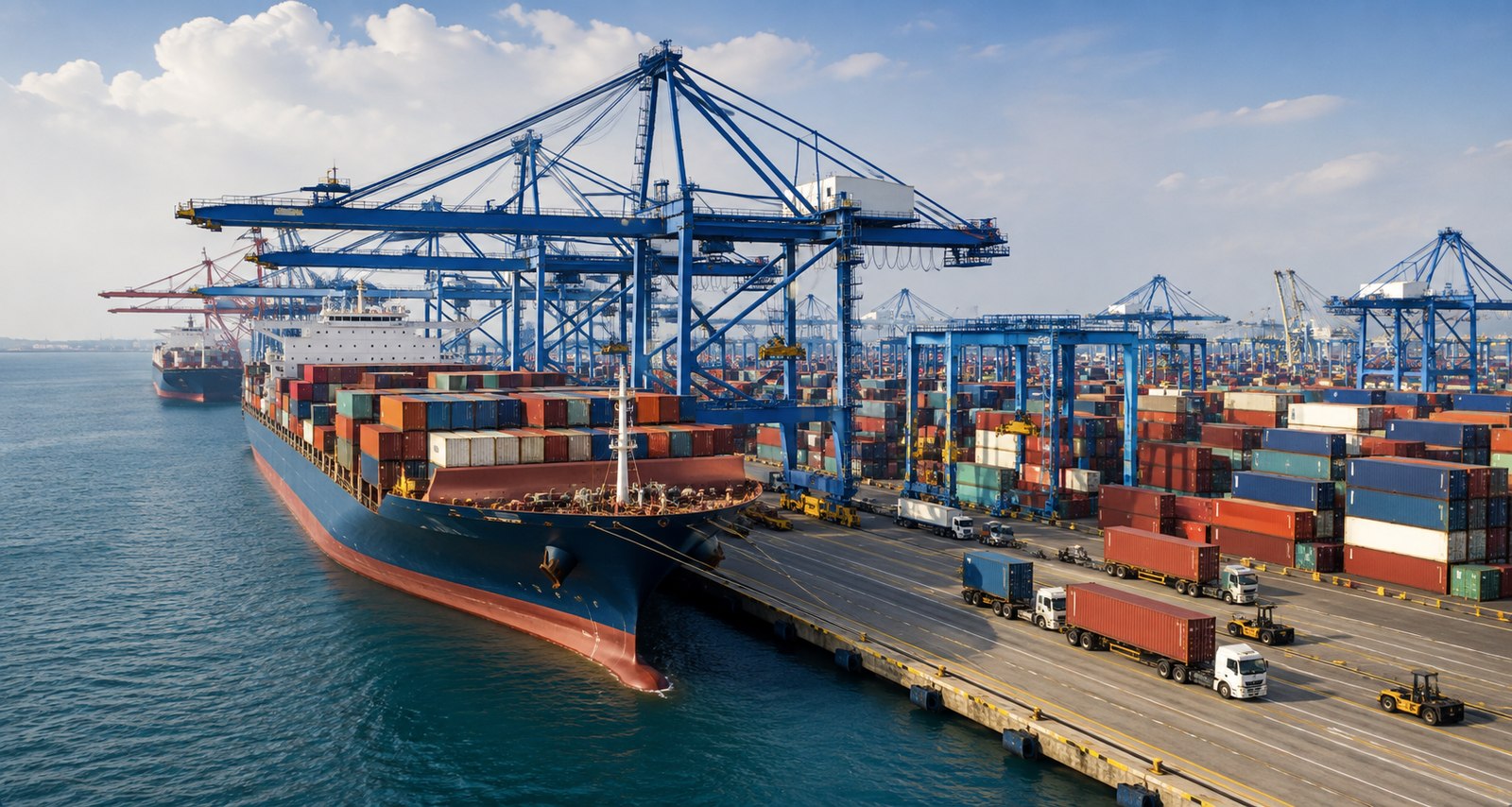
Reliable logistics are essential to every project. Together with our logistics partners, we select suitable transportation methods, manage required documentation and arrange cargo insurance covering transportation-related risks.
Advance planning aligns production schedules, delivery methods and project timelines, helping avoid delays, excess inventory and unnecessary storage costs.
Sea Freight
Goods are shipped through major container lines including Maersk, CMA CGM, MSC, Hapag-Lloyd, NIRINT and Hamburg Süd. Oversized and non-standard cargo can be transported using open-top and flat-rack containers.
RoRo Transport
Roll-on/roll-off vessels are used for large batches of self-propelled vehicles such as trucks, passenger cars, buses and special-purpose vehicles. Between 2011 and 2013, more than 800 buses were transported internationally using RoRo vessels operated by carriers including Höegh Autoliners and K-Line.
Air Freight
Air freight is used primarily for smaller or time-sensitive cargo. The source material identifies carriers including Lufthansa, TAP Air Portugal, Iberia, Air France and DHL Aviation.